
Roguelike Games: The Best Titles and Why They’re So Addictive


Roguelike games are built around a simple, brutal premise: when you die, you start over, and the world is different every time. That combination of permadeath and procedural generation has produced some of the most replayable games ever made. Here is what actually defines the genre, the best titles to play right now, and why the loop is so hard to put down.
What Makes a Game a Roguelike
The term roguelike comes from Rogue, a 1980 dungeon-crawling game that established the core formula: procedurally generated levels, permadeath, and turn-based or grid-based movement. A true roguelike in the strict sense follows these rules closely. Over time, the term broadened significantly, and most games people call roguelikes today are technically roguelites.
| Term | Defining Feature | Example |
| Roguelike (strict) | Permadeath, procedural generation, turn-based, grid movement | NetHack, Rogue |
| Roguelite | Permadeath and procedural generation, but with meta-progression between runs | Hades, Dead Cells |
| Roguelike-like | Borrows the run-based structure loosely, often real-time action | Risk of Rain, Enter the Gungeon |
In casual use, roguelike games now describe nearly any game with permadeath, procedural or semi-procedural level generation, and runs that end in death and restart. The defining feature that separates roguelikes from roguelites is whether you keep any permanent progress between runs — pure roguelikes reset everything, while roguelites let you carry forward unlocks, currency, or character growth even after dying.
Why Roguelike Games Are So Addictive
The roguelike loop taps into a specific kind of motivation that differs from traditional progression-based games. A few mechanics combine to create the addictive quality the genre is known for.
- Permadeath raises the stakes of every decision. When death means starting over, every choice in a run has importance that a save-and-reload game cannot reproduce.
- Procedural generation prevents memorization from solving the game. You cannot simply learn a fixed level layout; you have to develop transferable skills that work across random configurations.
- Short run length enables ‘one more try’ psychology. Most roguelike runs last 20 minutes to 2 hours, short enough that a failed run does not feel like a wasted session, which removes the friction that makes people stop playing after a loss.
- Build variety creates genuine novelty across runs. Randomized item pools, ability combinations, and character builds mean even a familiar game presents new strategic puzzles each time.
- Meta-progression (in roguelites) softens the sting of failure. Even a failed run typically unlocks something permanent, so progress appears continuous even when individual runs do not succeed.
This combination explains why roguelike games keep player engagement far longer than their relatively modest production scope would suggest. A roguelike with a fraction of the content of a traditional RPG can deliver hundreds of hours of meaningfully different play.
Best Roguelike Games to Play
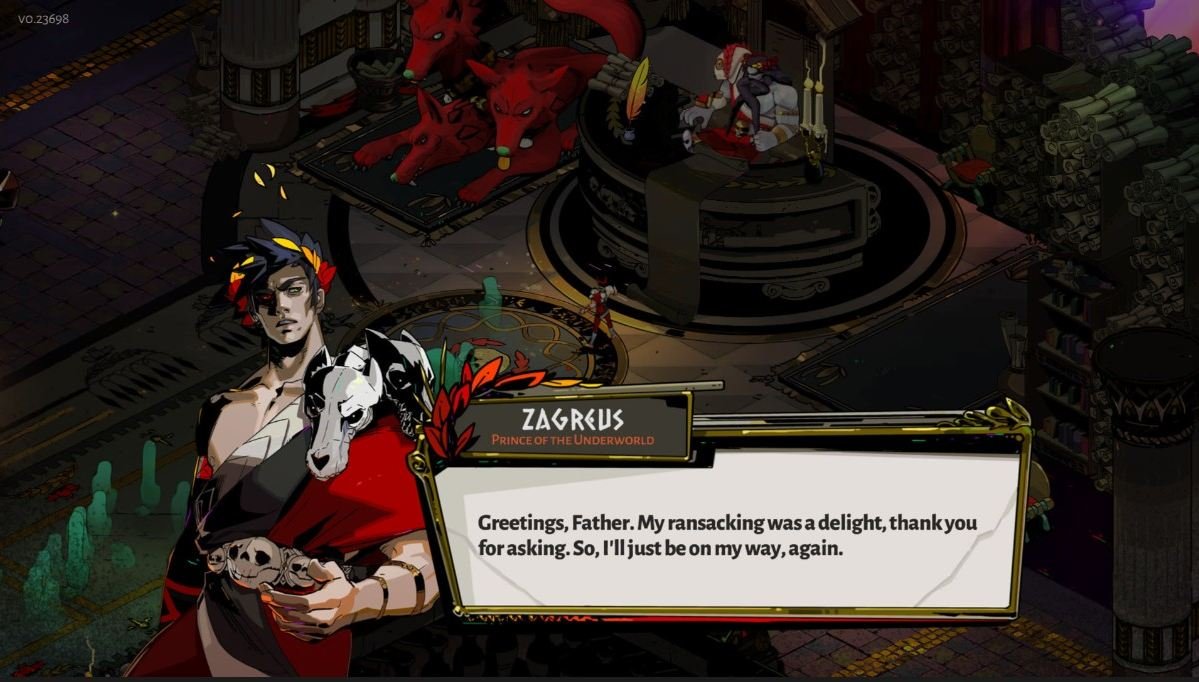
Hades
Hades is the best roguelike game for players who want narrative integration alongside the genre’s mechanical strengths. You play as Zagreus, attempting to escape the underworld, with each failed run woven directly into an evolving story rather than treated as a disconnected reset. The combat is fast, the boon system (god-granted abilities) creates genuine build variety, and the narrative payoff across dozens of runs is unmatched in the genre.
- Platform: Multi-platform (PC, console, Switch)
- Best for: Players who want story alongside roguelike mechanics
Dead Cells
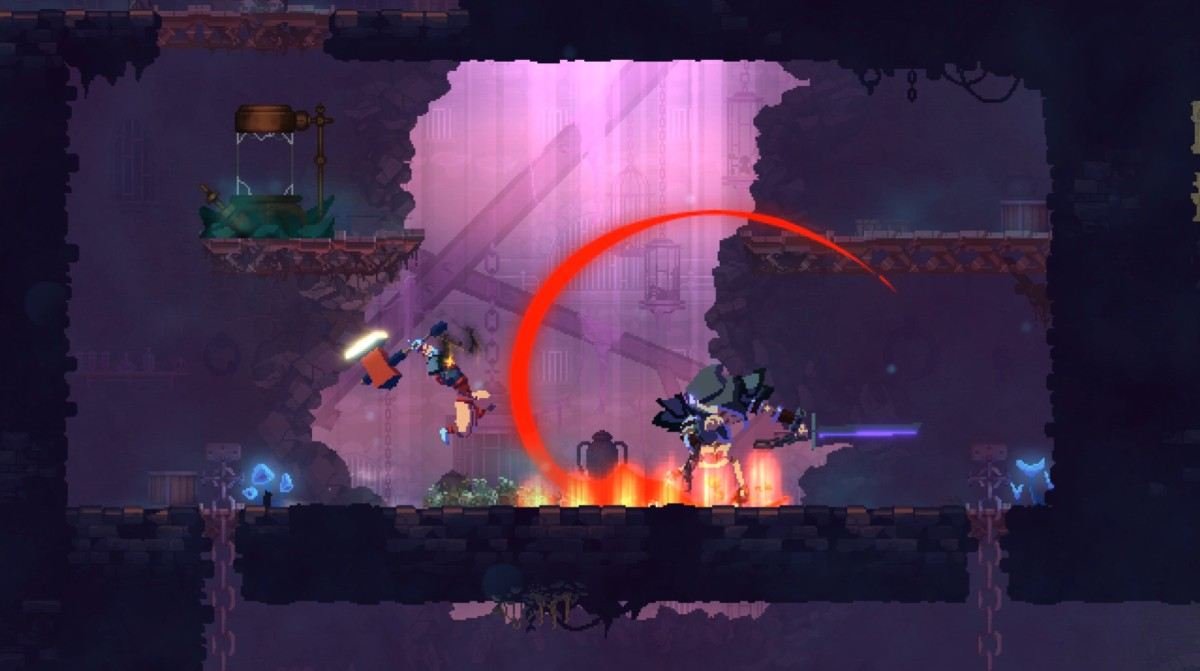
Dead Cells combines roguelite structure with Metroidvania-style platforming combat. Movement is fast and fluid, weapon variety is wide, and the procedurally generated castle layout keeps every run feeling distinct. Permanent upgrades unlock new starting options and paths, giving meaningful progression even through failed runs.
- Platform: Multi-platform
- Best for: Action platformer fans, players who want fast combat
The Binding of Isaac: Rebirth
The Binding of Isaac is one of the most influential modern roguelikes, with an item pool so vast that build variety remains fresh after hundreds of hours. The dark, unsettling aesthetic and the sheer density of secrets and unlockable content have made it a genre benchmark since its 2014 rebirth release.
- Platform: Multi-platform
- Best for: Players who want maximum build and item variety
Slay the Spire
Slay the Spire merges roguelike structure with deck-building card game mechanics. Each run involves building a deck of cards through strategic choices, with permadeath wiping your progress on failure. The genre-defining success of Slay the Spire has spawned an entire subcategory of roguelike deckbuilders since its 2019 release.
- Platform: Multi-platform
- Best for: Strategy and card game fans
Risk of Rain 2
Risk of Rain 2 is a roguelite third-person shooter in which survival difficulty escalates the longer a run continues, creating constant tension between exploring for better items and rushing toward the next stage before enemies overwhelm you. Co-op support for up to four players makes it one of the stronger multiplayer roguelike options.
- Platform: Multi-platform
- Best for: Co-op play, shooter fans
Where to Start With Roguelike Games
If you are new to the genre, the entry point matters more than it does in most genres because roguelikes intentionally punish failure. Hades is the most beginner-friendly major roguelike. Its meta-progression system means even repeated early deaths produce permanent character growth, softening the genre’s traditionally steep difficulty curve. Dead Cells is the next step up if you want more demanding combat once Hades clicks.
Avoid starting with strict, classic roguelikes like NetHack unless you specifically want the historical, unforgiving turn-based experience. They have minimal onboarding and a famously steep learning curve that can be discouraging before you understand what makes the genre rewarding.
For more genre deep dives and game recommendations, see our PC gaming category. For a different kind of replayable game format, our
Frequently Asked Questions
What is the difference between a roguelike and a roguelite?
A strict roguelike resets all progress on death. Nothing carries over between runs. A roguelite keeps some form of permanent progression even after death, such as unlocked items, currency, or character upgrades. Most popular modern games people call roguelikes, including Hades and Dead Cells, are technically roguelites by this definition, though the terms are now used interchangeably in casual conversation.
What is the best roguelike game for beginners?
Hades is the best starting point for new players. Its meta-progression system means failed runs still produce permanent character growth, making early losses feel productive rather than wasted. The combat is also more forgiving than many roguelikes, with clear telegraphed enemy attacks and a manageable difficulty curve that ramps up gradually as you progress through the underworld.
Are roguelike games good for short play sessions?
Yes, this is one of the genre’s core strengths. Most roguelike runs last between 20 minutes and 2 hours depending on the game and how far you progress before dying. This makes the genre well suited to shorter sessions compared to games requiring long uninterrupted blocks of time, since a single run is a complete, self-contained experience even when it ends in failure.
Why do roguelike games have so much replay value?
Procedural generation ensures no two runs present the same level layout, enemy placement, or item availability, which prevents memorization from solving the game the way it can in fixed-content titles. Combined with randomized build options and ability combinations, a well-designed roguelike can present meaningfully different strategic situations across hundreds of runs, which is why the genre sustains player engagement far longer than its content volume alone would suggest.
Conclusion
Roguelike games turn failure into part of the appeal instead of something to avoid. Every run teaches you something even when it ends badly, and the combination of permadeath tension and procedural surprise keeps the format fresh long after a traditional game would have run out of things to show you. Start with Hades if you are new to the genre, then branch out once the loop clicks.