
5 Core Handheld Microphone: Is the Budget Price Worth It

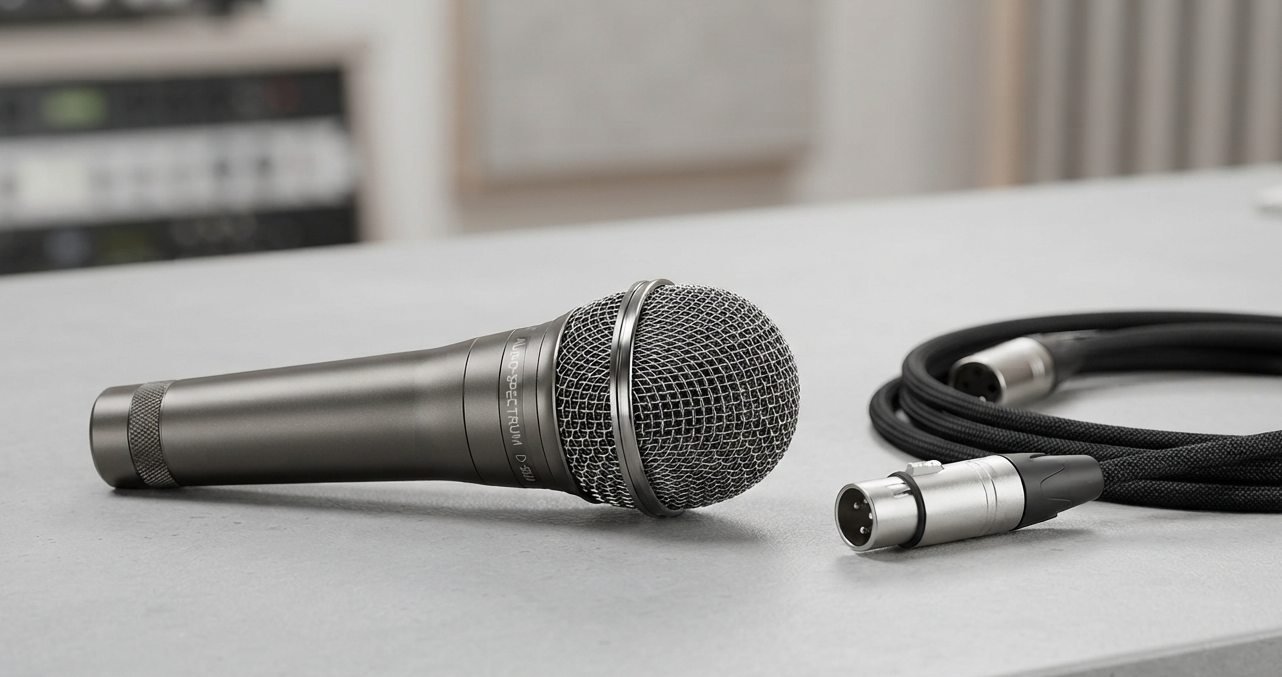
Sixteen dollars for a microphone sounds like a red flag until you check what dedicated karaoke bars, church sound booths, and budget podcasters have actually been buying for years. The 5 Core handheld microphone lineup sits at a price point most people building a streaming microphone setup assume means unusable audio, and that assumption is only half right.
What the 5 Core Handheld Microphone Lineup Actually Covers
5 Core is not one microphone; it is a full lineup of budget audio gear covering wired dynamic mics, wireless UHF and VHF systems, and accessories like tripod stands, all sold directly through the company’s own storefront and through Amazon. The 5 Core ND 3200X, a cardioid dynamic microphone with a metal housing and reinforced grille, currently sells for $ 16.99 after discount, a price that puts it well below almost every competing brand in the same category.
The 5 Core handheld microphone lineup also includes the PM 305, a plastic-bodied dynamic mic with an on-off switch and an included XLR cable, and wireless UHF pairs marketed as an affordable karaoke microphone system rather than professional recording gear. Knowing which specific model you are looking at matters here, since the line spans genuinely different use cases under one brand name.
Real Specs Behind the 5 Core Handheld Microphone Line
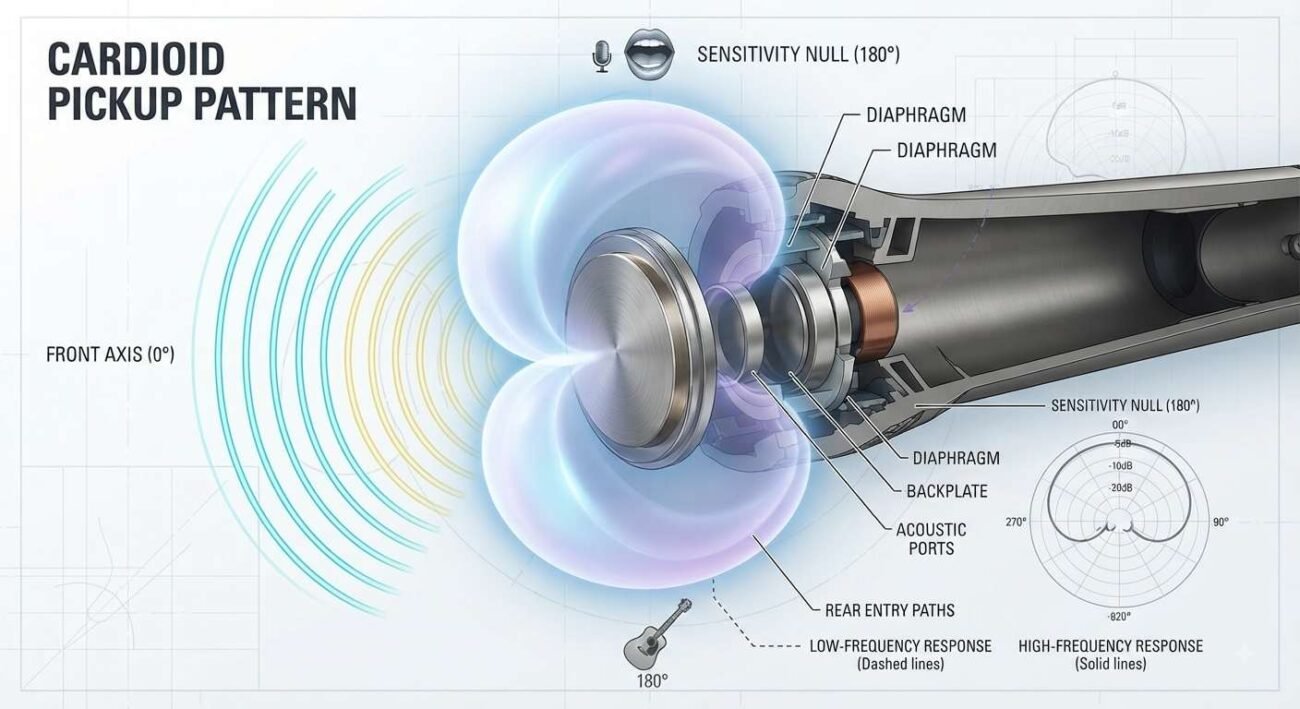
As a dynamic cardioid microphone, the ND 3200X carries a cardioid, unidirectional pickup pattern, meaning it picks up sound primarily from the front while reducing background noise from the sides and rear, a genuinely useful feature for anyone recording in a room that is not acoustically treated. Its Flat and Wide Frequency, 50 to 16000 Hz, records more detail, delivering fuller audio than the thin, narrow sound cheaper mics sometimes produce.
The PM 305 and similar 5 Core dynamic models require no battery for operation, an external on/off switch, rely entirely on a standard XLR connection, and most models in the lineup ship with a detachable cable running 10 to 16 feet, depending on the specific product. That cable length matters more than it sounds for anyone using a mic at a desk setup or a small stage, since a short cable forces awkward positioning that a slightly longer one avoids entirely.
Is a Budget XLR Microphone Actually Worth It for Streaming
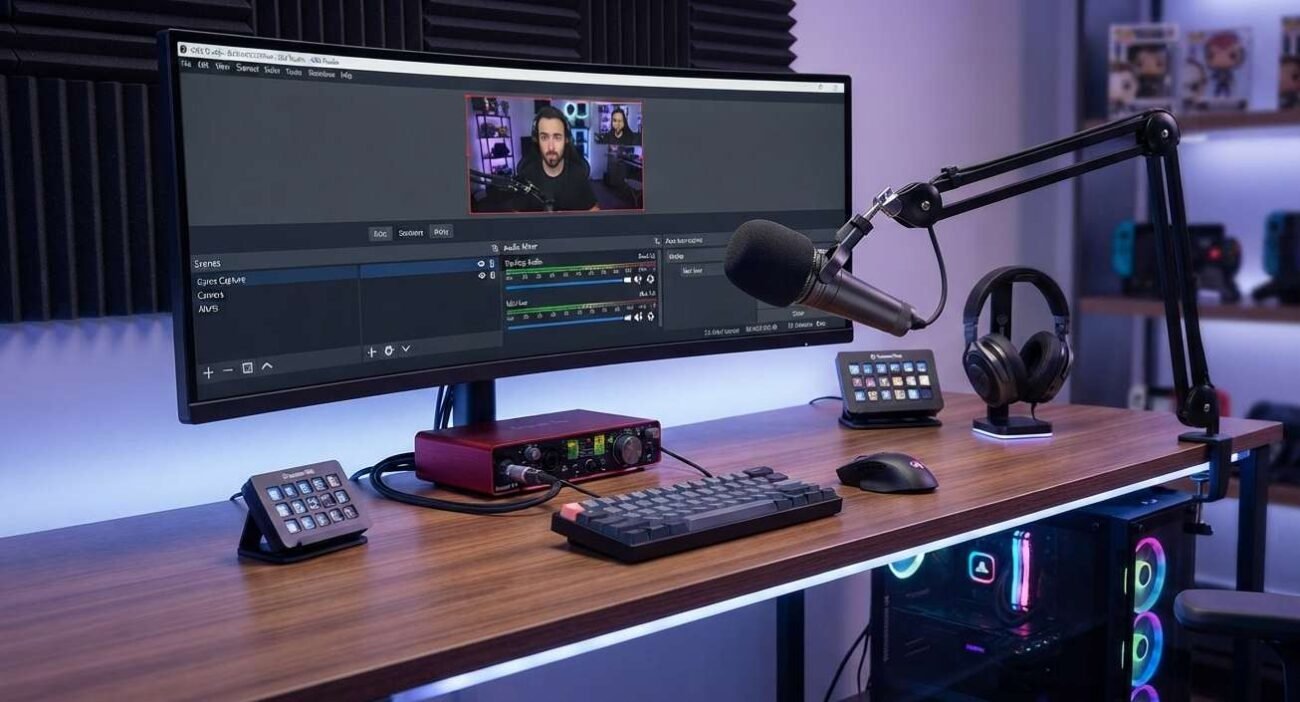
A budget XLR microphone like the ND 3200X requires an audio interface or mixer with XLR input to actually function, an upfront cost that catches new streamers off guard if they assumed the mic alone would plug directly into a computer. Once that interface is already in your setup, the marginal cost of adding a 5 Core handheld microphone on top is genuinely low relative to what most dedicated streaming mic brands charge for similar specs.
Dynamic cardioid microphone designs like the ND 3200X also handle background noise better than USB condenser mics in the same price range, since the dynamic capsule and directional pickup pattern work together to reduce room echo and noise from a nearby PC fan. That tradeoff—slightly less sensitivity in exchange for real noise rejection—tends to favour a budget streaming microphone setup for anyone recording in untreated bedrooms over anyone chasing studio-grade vocal clarity.
Where the 5 Core Handheld Microphone Line Falls Short
Build quality varies noticeably across the lineup. The metal-bodied 5 Core ND 3200X and ND-807 CoppereX models feel considerably sturdier than the plastic-bodied PM 305, and reviewers on the company’s own site and on retail platforms consistently note that the metal models hold up better to repeated handling and inadvertent drops. If durability matters more than saving a few extra dollars, spending slightly more on a metal-bodied model within the same lineup is worth it.
As an affordable karaoke microphone option, the wireless UHF and VHF systems in the 5 Core catalogue are built for karaoke and home entertainment rather than professional broadcast use, with an operating range up to 210 feet that comfortably covers a living room or small venue but were never designed to compete with dedicated wireless systems used in professional touring audio.
Quick Checklist
- Confirm which specific 5 Core model you are looking at; the lineup spans multiple price points and use cases.
- Check that you already own or plan to buy an XLR audio interface before choosing a wired dynamic model.
- Pick a metal-bodied model like the 5 Core ND 3200X over the plastic PM 305 if durability matters to you.
- Look for a dynamic cardioid microphone pickup pattern that favours noise rejection over maximum sensitivity.
- Use the affordable wireless karaoke microphone systems for home entertainment specifically, not professional broadcast work.
- Treat any budget XLR microphone in this lineup as a genuine budget option, not a shortcut to studio-grade audio quality.
- Compare the specific model’s frequency response and cable length before buying; they vary across the lineup.
Closing Thoughts
The 5 Core handheld microphone lineup earns its budget reputation honestly. It will not replace a professional studio setup. Still, for a streaming microphone setup where you already own an audio interface and need a genuinely usable dynamic mic without spending real money, the specs hold up better than the price tag suggests.
Buy the 5 Core handheld microphone for what it actually is: a real budget option, not a compromise you will regret.