
Super Mario 64 on N64: Why the Classic Still Matters

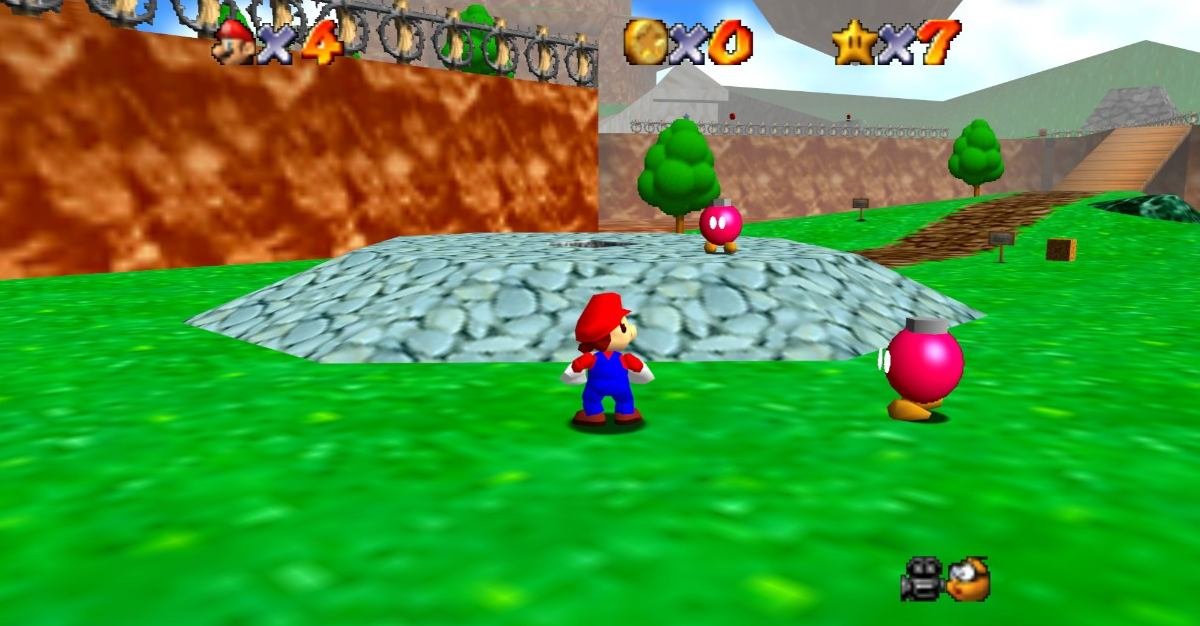
Super Mario 64 on the Nintendo 64 is one of the most influential games ever made. It is the title which defined how 3D platformers work and proved that the leap from 2D to 3D could produce something genuinely new rather than just more of the same. Nearly thirty years after its 1996 launch, it remains worth playing, and the ways to do so legally have improved significantly.
What Is Super Mario 64
Super Mario 64 is a 3D platformer developed and published by Nintendo, released alongside the Nintendo 64 console in 1996. It placed Mario in Peach’s castle as a hub world, with paintings on the walls serving as portals to self-contained 3D levels where the player collects Power Stars to progress. The objective in each level is not to reach a goal post but to complete specific tasks, collect stars, and explore the environment at your own pace.
The keyword ‘super 64 n64’ reflects the way many people remember the game, as a landmark Nintendo 64 title, often colloquially referenced as just ‘Super 64’ or ‘Mario 64.’ The game sold over 11 million copies and is consistently listed among the greatest games ever made in retrospective rankings.
Super Mario 64 was not the first 3D game ever made, but it was the first to solve the problem of how to make 3D movement feel good. The camera system, the jump physics, and the way levels were designed to be explored rather than traversed in a single direction set a template that 3D platformers followed for decades.
What Made Super Mario 64 Revolutionary
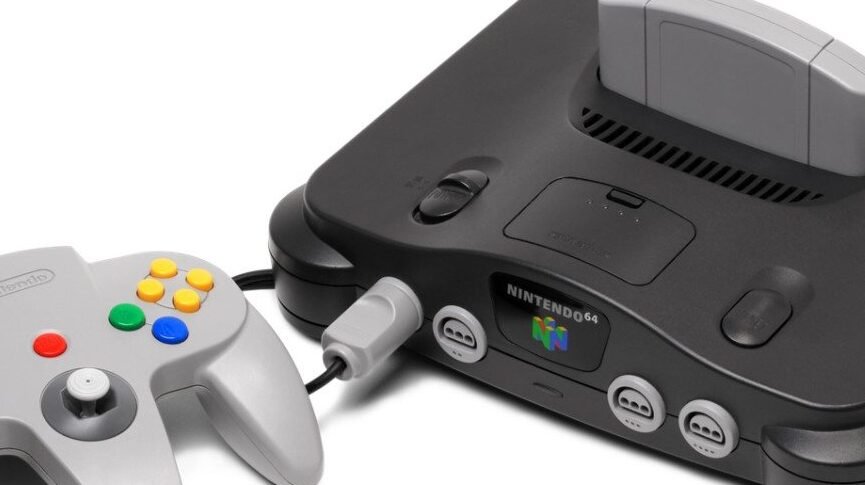
Before Super Mario 64, 3D games typically moved players down corridors or along fixed paths. Super Mario 64 introduced a genuinely open approach to 3D level design: you could move in any direction, approach objectives in different orders, and explore the environment with a freedom that previous games in any genre had not offered at this scale.
| Innovation | What It Introduced | Long-Term Impact |
| 3D movement physics | Responsive analogue stick control for free 3D movement | Template for all 3D platformers that followed |
| Hub world design | Central castle hub connecting to self-contained levels | Influenced open-world game architecture |
| Star collection structure | Non-linear objective collection rather than linear levels | Changed how platformer progression was designed |
| Dynamic camera | Adjustable camera following player movement in 3D | Foundational for 3D game camera design |
| Analogue movement depth | Speed, direction, and jump type tied to stick position | Raised the skill ceiling for 3D platformer play |
The analogue movement system deserves particular attention. Mario moves at different speeds depending on how far you push the analogue stick, and his jump changes based on running speed. A standing jump, a running jump, a long jump, and several other variants all have different trajectories and distances. This depth created a skill ceiling that speedrunners have been exploring for nearly three decades without exhausting.
Super Mario 64 Legacy and Cultural Impact
Super Mario 64’s influence reaches well beyond platformers. The hub world design prefigured open-world game architecture, and the approach of giving players a sandbox to explore with multiple objectives became a template for countless games throughout genres. Level designers studying 3D space still reference Super Mario 64’s course layouts as examples of guiding player attention without hard corridors.
The speedrunning community around Super Mario 64 is one of the oldest and most active in the hobby. The Any% category, completing the game with minimum stars as fast as possible, regularly places among the most-watched runs at major speedrunning events. New tricks continue to be discovered, which is a genuine tribute to the depth of movement physics Nintendo built in 1996.
For context on how Super Mario 64 compares to other landmark Nintendo titles of the era, see our GameCube games guide covering the generation that followed the N64.
Legal Ways to Play Super Mario 64 Today
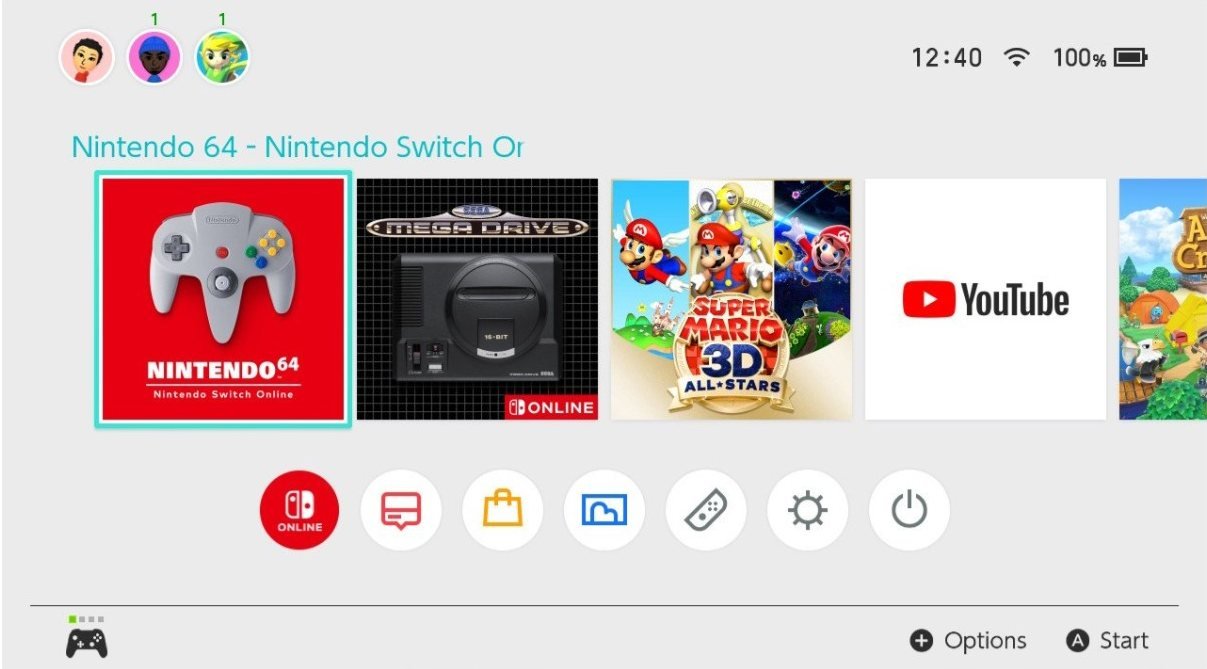
Super Mario 64 is available through official Nintendo channels without needing to source original N64 hardware.
| Option | Platform | Cost | Notes |
| Nintendo Switch Online + Expansion Pack | Nintendo Switch | Subscription | Includes N64 library with Super Mario 64 |
| Super Mario 3D All-Stars | Nintendo Switch | Was sold separately | Limited release — check current availability |
| Original N64 cartridge | N64 console | Second-hand market | Rising prices as collector demand grows |
| Wii Virtual Console | Wii or Wii U | Discontinued storefront | No longer available for new purchase |
The most accessible legal option for most players today is Nintendo Switch Online + Expansion Pack, which includes the full Nintendo 64 library. Check the official Nintendo Switch Online page for current subscription pricing and the full N64 game list included.
The Nintendo Switch version of Super Mario 64 runs at a higher frame rate than the original N64 hardware and includes some minor quality-of-life adjustments while preserving the original game design. For most players, this is the recommended way to play: readily available, no hardware sourcing required, and the game itself is preserved faithfully.
Does Super Mario 64 Still Hold Up
Yes, with one honest caveat: the camera. Super Mario 64’s camera system was groundbreaking in 1996 and shaped every 3D game camera that followed, but by contemporary standards it requires more manual adjustment than modern players are accustomed to. Some sections of specific levels, such as Hazy Maze Cave and Wet-Dry World in particular, are frustrating primarily because of camera angles rather than level design.
Every other element of the game holds up well. The movement physics remain genuinely enjoyable to engage with, the level design is inventive and rewards exploration, and the soundtrack is one of Nintendo’s best. Composer Koji Kondo wrote music that fits each environment so precisely that it became the sonic shorthand for Nintendo 64 gaming as a whole.
For more retro gaming guides and N64 era coverage, see our PC gaming and retro section.
Frequently Asked Questions
Is Super Mario 64 available on Nintendo Switch?
Yes. Super Mario 64 is available through Nintendo Switch Online + Expansion Pack, which includes a curated library of Nintendo 64 games. It was also included in the Super Mario 3D All-Stars collection, though availability of that specific compilation should be verified as it was a limited release. Nintendo Switch Online is the most reliably available current option.
Why do people still play Super Mario 64 after nearly 30 years?
The movement physics and level design have genuine depth that continues to reward mastery. The speedrunning community has found hundreds of movement techniques, some intentional and many discovered accidentally, that create an evolving high-skill game within the original framework. For casual players, the level design and exploration structure remain enjoyable without needing to engage with advanced techniques.
Is Super Mario 64 harder than modern Mario games?
In some ways, yes. Super Mario 64 has no waypoints, less explicit guidance, and a camera that requires manual management. Modern Mario games tend to have clearer signposting and more forgiving camera systems. However, Super Mario 64 also has generous checkpointing within levels and infinite lives by default, so the difficulty is more about navigation and camera management than punishing skill gates.
What does ‘super 64 n64’ mean as a search term?
It is simply an informal way to refer to Super Mario 64 on the Nintendo 64. The first word of the title plus the console name, abbreviated to n64. Some players use it as shorthand rather than the full title, particularly in searches for the original N64 version specifically as opposed to the Switch or other re-releases.
Conclusion
Super Mario 64 earned its renown by solving a genuinely hard problem: how do you make 3D feel good, and building a game around the solution that remains enjoyable nearly three decades later. If you have not played it, Nintendo Switch Online makes it more accessible now than at almost any point since the initial N64 release. The camera is a product of its era, but everything else holds up.
One thought on “Super Mario 64 on N64: Why the Classic Still Matters”