
Clash Royale
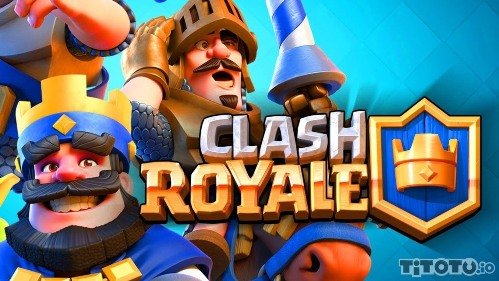
Clash Royale is a real-time multiplayer card strategy game from Supercell. Build a deck, spend Elixir carefully, summon troops, cast spells, defend your towers, and pressure enemy lanes in short competitive battles across mobile devices and supported Windows PCs.
Clash Royale
Clash Royale is a real-time multiplayer strategy game where two players use cards to summon troops, place buildings, and cast spells inside a compact battle arena. The main goal is to damage the enemy towers while protecting your own King and Princess Towers. Matches are short, but every card placement matters because Elixir is limited and a careless attack can leave your side open. The exact focus keyword, Clash Royale, fits naturally because the entire game is built around quick royal battles and tactical deck choices.
What Is Clash Royale?
Clash Royale is a free-to-play card battle and tower strategy game developed and published by Supercell. It was released globally on March 2, 2016, and is part of the same fantasy world as Clash of Clans. (Supercell)
The game combines card collection with real-time combat. Instead of moving a hero directly, you build a deck and deploy cards onto the battlefield when you have enough Elixir.
Each player protects one King Tower and two Princess Towers. Destroying more towers than your opponent wins the battle, while removing the central King Tower ends the match immediately.
The official Clash Royale game page confirms that battles feature familiar Clash troops, spells, defences, Princes, Knights, Baby Dragons, and other royal characters. (Supercell)
How Clash Royale Gameplay Works
A normal battle begins with four cards available from your prepared deck. Each card has an Elixir cost, and your Elixir bar refills automatically during the match.
You drag a card from your hand and place it on an allowed part of the arena. Troops begin moving and fighting automatically, buildings remain in their placed position, and spells affect their chosen area immediately or after a short delay.
Most matches follow a simple loop:
- Wait for enough Elixir to make a useful move.
- Deploy a troop, building, or spell.
- Watch how the opponent responds.
- Defend your towers with an efficient counter.
- Use surviving defenders to begin a counterattack.
- Damage or destroy enemy towers.
- Adjust your plan as Elixir generation becomes faster.
You always see four playable cards and the next card waiting in the deck cycle. After playing a card, you must use four other cards before that card returns to your hand. Supercell’s official 1v1 guide identifies this as the card cycle and recommends tracking it to predict when an opponent’s important counter may return. (Supercell Support Portal)
Managing Elixir
Elixir controls nearly every decision in Clash Royale. Strong troops usually cost more, while smaller cards can be used to defend cheaply or move through the deck faster.
Spending all your Elixir on one attack can be dangerous. If the opponent stops it for a lower cost, they may have enough resources left to attack while you cannot respond.
Supercell explains that Elixir is generated continuously and becomes faster during the later stages of a standard battle. Some special events and 2v2 modes use different generation rules. (Supercell Support Portal)
A good Elixir trade happens when you stop an expensive attack with cheaper cards. The unused Elixir can then support a counterattack or protect another lane.
Do not feel forced to play a card as soon as the Elixir bar fills. Waiting briefly can reveal the opponent’s plan and prevent you from making the first risky commitment.
Attacking and Defending Towers
The two Princess Towers automatically attack enemies that enter their range. The King Tower also helps after it has been activated or damaged.
Most decks include a clear win condition, meaning a card or combination designed to reach towers reliably. Examples include building-targeting troops, direct-placement attackers, or repeated spell damage.
Support cards help the win condition reach its target. A large troop may need ranged support, while a fast attacker may work better with a spell that removes small defenders.
Defence is just as important as attacking. A troop that survives a defensive fight can cross the bridge and become part of your next push, saving Elixir compared with starting a completely new attack.
Players who enjoy team-based lane strategy may also like Honor of Kings, although its heroes are controlled directly rather than deployed as cards.
What Makes Clash Royale Feel Different?
Clash Royale turns ideas from card games, tower defence, and real-time strategy into battles that usually take only a few minutes.
You do not have time to build a large base or collect resources for half an hour. The arena is already prepared, and the pressure begins as soon as either player places the first card.
The shared lanes create constant risk. Attacking one side may force the opponent to defend, but it may also give them a chance to pressure the opposite lane.
Deck building matters before the match, while timing and placement matter during it. A strong deck cannot fix every careless decision, and good placement can allow a lower-cost card to stop a much more expensive threat.
Balance updates also change which cards and combinations are most effective. Players who depend entirely on one popular deck may need to adjust after card statistics or progression systems change.
Building a Useful Battle Deck
A normal deck should have a clear way to damage towers rather than eight unrelated cards that appear individually strong.
Most dependable decks include:
- A main win condition
- One or two support troops
- A reliable defensive unit
- A card that can attack air targets
- A small spell
- A heavier damage spell
- A building or another defensive answer
- One inexpensive cycle card
The average Elixir cost also matters. A heavy deck may create powerful attacks but struggle to respond quickly, while a very cheap deck may require accurate timing and repeated card cycling.
Avoid copying a popular deck without understanding its purpose. Learn which card begins the attack, which cards protect it, and which defensive matchups require patience.
Players who prefer slower turn-based planning can try Master Chess, where every move can be considered without an Elixir timer.
Main Clash Royale Features
- Real-time PvP battles: Players compete directly against online opponents while both sides defend and attack at the same time.
- Large card collection: The current store listings advertise more than 100 cards featuring troops, buildings, spells, Tower Troops, and characters from the Clash universe.
- Deck building: Players combine cards into battle decks and choose a strategy based on cost, range, damage, defence, and card cycle.
- Tower-based objectives: Matches revolve around protecting the King and Princess Towers while damaging the opponent’s structures.
- Elixir management: Every deployment costs Elixir, so strong play depends on spending resources carefully.
- Trophy Road and Ranked play: Wins help players progress through arenas, trophy milestones, leagues, and competitive systems.
- Clans and Clan Wars: Players can join clans, share cards, communicate, and participate in organised clan activities.
- Challenges and tournaments: Special rules, capped card levels, limited losses, and event rewards create alternatives to standard battles.
- Seasonal content: Regular seasons can introduce events, cosmetics, balance changes, progression updates, and limited modes.
- Card progression: Cards can be collected and upgraded, while systems such as Evolutions, Heroes, Tower Troops, and Collection Levels add further development. (App Store)
Cards, Spells, and Buildings
Troop cards place moving fighters onto the arena. Some attack anything nearby, while others focus on buildings, ground units, air targets, or specific enemy types.
Building cards remain in one location. They can distract attacking troops, defend a lane, generate units, or create pressure depending on the building.
Spells affect a selected area or target. Small spells are useful against groups of weak enemies, while heavier spells can damage stronger troops and towers at a higher Elixir cost.
The best card is not always the one with the highest damage. Range, movement speed, targeting rules, placement options, and Elixir cost determine whether it fits your deck.
Arenas and Progression
Winning standard battles awards trophies and helps move your account through different arenas. New cards and progression features become available as you reach later stages.
The difficulty can rise quickly because opponents may understand card interactions more clearly or own stronger versions of commonly used cards.
Card levels are not capped on Trophy Road. Supercell’s official 1v1 information states that matchmaking is mainly based on trophy count rather than the individual cards or levels inside your deck. (Supercell Support Portal)
This means upgrading a focused group of useful cards can be more practical than spending resources evenly across every unlocked option.
Progression takes time, especially when you begin changing decks frequently. Keep at least one reliable deck upgraded while testing new cards in practice or lower-risk modes.
Clans and Social Play
Clans allow players to communicate, request or donate cards, share decks, and take part in Clan Wars.
Card donations can support progression while also helping other clan members. Shared replays and deck links provide a simple way to discuss difficult matchups.
Clan Wars use several decks and encourage players to develop a wider collection instead of relying on one main setup. Official support information states that War Decks require unique cards across multiple decks. (Supercell Support Portal)
Chat and player interaction mean younger users should follow safe online habits. Personal information should not be shared with unknown players.
For another multiplayer game built around communication and reading other players, visit Among Us.
Tournaments and Special Challenges
Clash Royale includes Global Tournaments, Private Tournaments, Classic Challenges, seasonal activities, and other rotating events.
Tournament rules can differ from normal Trophy Road. Card levels may be fixed, losses may be limited, or unusual deck restrictions may be applied.
According to the official Global Tournaments guide, results are based on wins, with crowns used as a tiebreaker, and a run ends after reaching the loss limit or when the tournament timer expires. (Supercell Support Portal)
These modes are useful for testing decision-making under more controlled card levels. They can still be difficult because experienced players often understand common decks and card cycles very well.
Story and Game World
Clash Royale does not have a traditional single-player campaign with chapters or a fixed ending.
Its setting uses a playful medieval fantasy arena filled with Kings, Princesses, Knights, Goblins, Skeletons, Dragons, Wizards, and machines. Many units come from Clash of Clans, while others were introduced specifically for Clash Royale.
The two royal sides react during battle through animations and emotes. This gives matches personality without interrupting the competitive action with long story scenes.
Different arenas change the surroundings, but the basic lane and tower structure remains familiar.
Graphics and Sound
Clash Royale uses colorful, stylised 3D characters viewed from an overhead angle. Troops have clear shapes and animations, helping players recognise threats quickly on a small phone screen.
The arena can become crowded during large pushes, but spell areas, health bars, tower damage, and unit movement remain visible enough for quick decisions.
Sound effects help identify card deployment, tower attacks, charging units, spell impacts, and destroyed buildings. Experienced players may recognise an important card from its sound before looking directly at it.
The music and crowd sounds support the playful arena theme. Voice lines are short and repeated, so some players may prefer lowering the audio during longer sessions.
Clash Royale Controls and Learning Curve
Mobile controls use taps and dragging. Select a card, move it toward a valid part of the battlefield, and release it to deploy.
| Action | Mobile Control | PC Control |
|---|---|---|
| Select a card | Tap or hold the card | Click the card |
| Deploy a troop or building | Drag and release | Click or drag to the arena |
| Cast a spell | Drag to the target area | Click or drag to the target |
| Use an emote | Tap the emote menu | Click the emote menu |
| View card information | Tap the card in collection | Click the card |
| Open menus | Tap the required icon | Use mouse input |
The controls are easy to understand, but placement takes practice. Moving a defensive building by one tile can change which troops it attracts and how much tower support it receives.
Clash Royale is officially available on Windows through Google Play Games. Supercell’s PC announcement confirms mouse and keyboard support along with progress syncing between mobile and PC. (Supercell)
Official controller support has not been confirmed.
Multiplayer and Internet Requirements
Clash Royale is primarily an online multiplayer game. Standard battles match you against another player, while supported modes include 1v1, 2v2, friendly battles, tournaments, Clan Wars, and rotating events.
There is no complete offline campaign. The store listings state that a network connection is required. (App Store)
Training and practice features can help with card placement, but the central progression systems depend on online services.
The game is available through Clash Royale on Google Play for Android and supported Windows systems. The Clash Royale App Store listing covers iPhone and iPad. (App Store)
Who Should Play Clash Royale?
Clash Royale is suited to players who enjoy competitive card games, tower defence, quick strategy, deck experimentation, and short online matches.
It works particularly well for players who like learning from repeated battles. A loss may reveal that your deck lacks air defence, uses too much Elixir, or depends on one attack that is easy to counter.
Players who prefer long story campaigns, offline play, relaxed puzzle solving, or direct character movement may not enjoy its competitive structure.
Progression and in-app purchases may also frustrate players who want every card and level available immediately. The game can be played without spending money, but collecting and upgrading cards requires time.
Honest Strengths and Limitations
| Strengths | Possible Limitations |
|---|---|
| Short matches fit mobile gaming well | A constant internet connection is required |
| Deck building supports many strategies | Card balance changes can weaken familiar decks |
| Simple controls hide considerable tactical depth | Small placement mistakes can decide a match |
| More than 100 cards provide many combinations | Learning every card interaction takes time |
| Clans, 2v2, and tournaments add social play | Online interactions may not suit every player |
| Matches reward timing and Elixir management | Card levels affect Trophy Road battles |
| Regular seasons keep modes changing | Progress can feel slower at higher card levels |
| Mobile and supported PC versions share progress | No full offline story campaign |
Tips Before You Start
Include a Clear Win Condition
Your deck needs a dependable way to damage towers. Do not rely only on defensive cards and hope that surviving troops will always reach the enemy side.
Avoid Spending All Your Elixir
Keep enough Elixir to answer a sudden attack. A full commitment in one lane can give the opponent a free tower on the other side.
Learn Positive Elixir Trades
Try to stop expensive cards with cheaper counters. The saved Elixir creates an advantage for the next attack.
Watch the Opponent’s Card Cycle
Remember important counters after they are played. The opponent must use several cards before that counter returns.
Support Surviving Defenders
A defensive troop with remaining health can become the front of a counterattack. Add support instead of starting another expensive push from the King Tower.
Do Not Activate the Enemy King Tower Carelessly
Some spells and troop placements can accidentally activate the central tower early, giving the opponent additional defence for the rest of the match.
Pressure the Opposite Lane
When an opponent places an expensive troop at the back, a quick attack in the other lane may force them to spend the Elixir they planned to use for support.
Review Replays After Close Losses
Check where the Elixir advantage changed and whether one unnecessary card caused the defence to fail. Supercell also recommends replay review as a way to spot mistakes. (Supercell Support Portal)
Clash Royale Game Information
| Detail | Information |
|---|---|
| Game title | Clash Royale |
| Developer | Supercell |
| Publisher | Supercell |
| Genre | Real-time strategy, card battle, tower defence |
| Global release date | March 2, 2016 |
| Platforms | Android, iPhone, iPad, Windows through Google Play Games |
| Game modes | Online 1v1, 2v2, friendly battles, Clan Wars, challenges, tournaments, rotating modes |
| Age rating | Everyone 10+ on Google Play, 9+ on the US App Store |
| Price model | Free with optional in-app purchases |
| Internet requirement | Required |
| Main objective | Destroy more enemy towers while protecting your own |
The Google Play listing identifies an Everyone 10+ rating for fantasy violence, user interaction, and in-game purchases that include random items. Apple currently lists the game as 9+ in the US App Store. (App Store)
You can find more card, strategy, multiplayer, and action titles in the Gam-core games collection.
Frequently Asked Questions
What type of game is Clash Royale?
Clash Royale is a real-time multiplayer strategy game combining card deployment, deck building, tower defence, and short PvP battles.
Is Clash Royale single-player or multiplayer?
The main game is multiplayer. It includes 1v1, 2v2, friendly battles, Clan Wars, tournaments, challenges, and other online modes.
Which platforms support Clash Royale?
Clash Royale is available on Android, iPhone, iPad, and Windows through Google Play Games.
Can Clash Royale be played offline?
No. The official store listings state that a network connection is required.
Does Clash Royale support controllers?
Official controller support has not been confirmed. Mobile versions use touchscreen input, while the supported PC version uses mouse and keyboard controls.
Is Clash Royale difficult for beginners?
The controls are simple, but learning card interactions, Elixir trades, deck cycles, placements, and common strategies takes time.
Is Clash Royale suitable for children?
Google Play rates it Everyone 10+, while the US App Store currently rates it 9+. Parents should also consider online interaction and optional in-app purchases.
Does Clash Royale save progress?
Yes. Account progress can be connected to Supercell ID, and Supercell confirms that mobile and supported PC progress can sync.
Is Clash Royale free?
Yes. The game is free to install and play, but it includes optional purchases for digital items and progression-related content.
How many cards are available in Clash Royale?
The official mobile listings advertise more than 100 collectible cards, including troops, buildings, spells, and other card types.
How long does a Clash Royale battle take?
Standard matches are designed to be short. Normal battle time can continue into overtime when both players have the same tower result.
Can I play Clash Royale with friends?
Yes. Friends can take part in supported friendly battles, team modes, clans, and private tournament activities.

Reviews
There are no reviews yet.