


Kickboxing
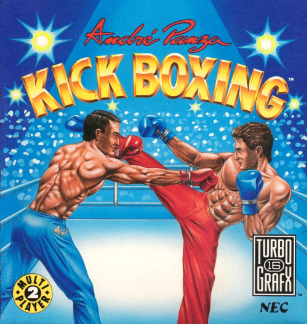
Kickboxing is a 3D arcade fighting game where you choose a fighter and face one-on-one opponents. Move with the arrow keys, punch with X, kick with C, and use carefully timed Spacebar attacks to win each match.
Kickboxing
Kickboxing places two fighters inside a compact arena where punches and kicks work best at different distances. You can move around your rival, test their defence with a quick punch, stop an approach with a kick, and save a special attack for the moment when they cannot easily respond.
The first match may encourage you to press every attack button quickly. That approach becomes less reliable against stronger opponents. A missed kick leaves your fighter exposed, repeated punches become predictable, and moving backward for too long can trap you near the edge of the arena.
Players who enjoy controlled striking matches can also try Boxing, where movement, defence, and short combinations matter more than constant aggression.
What Kickboxing Is About
Kickboxing is a 3D arcade fighting game based on one-on-one matches. You choose a fighter, enter the arena, and attempt to reduce the opponent’s health before your own fighter is defeated.
The gameplay is built around a manageable set of actions:
- Move toward or away from the opponent
- Use quick punches at close range
- Perform kicks from a little farther away
- Combine accurate attacks
- Avoid wasting moves against empty space
- Use a special attack when a safe opening appears
The game does not attempt to simulate every part of a real kickboxing match. It uses the sport as the theme for an accessible fighting challenge with simple keyboard controls and short rounds.
Depending on the browser build, you may face a sequence of computer-controlled fighters, move through tournament-style battles, or select from several available characters.
How Kickboxing Gameplay Feels
A typical round begins with both fighters standing far enough apart to study each other. This opening gives you time to test movement and see how the opponent reacts when you step closer.
Some opponents attack as soon as you enter their range. Others wait for you to throw the first strike and respond when it misses. Recognising this behaviour can make the rest of the round easier.
Punches usually feel faster and safer at close range. Kicks reach farther but require more commitment. A clean kick can stop an approaching opponent, while a badly timed one may leave your fighter unable to defend for a brief moment.
The match becomes tense when both health bars are low. One successful special attack may finish the round, but rushing to use it can give the opponent an equally strong opening.
For another one-on-one martial arts challenge, play Karate King.
Kickboxing Controls
The browser version uses a small keyboard control system:
- Arrow Keys: Move your fighter
- X: Punch
- C: Kick
- Spacebar: Use a special attack
Check the instructions shown inside the game in case the version on Gam-core uses a slightly different layout.
Spend the first round learning one action at a time. Walk toward the opponent, test the range of a punch, then compare it with the distance covered by a kick.
Do not press X, C, and Spacebar together. Giving several inputs at once makes it harder to understand which action your fighter is performing and when control will return.
Learn the Difference Between Punches and Kicks
Punches and kicks should not be treated as interchangeable attacks.
A punch is normally useful when the fighters are standing close together. It begins quickly and can interrupt an opponent who is preparing a slower move. Its weakness is limited reach.
A kick can cover more distance and may cause greater damage. The longer animation creates additional risk when the opponent is too far away or already moving backward.
Use punches during tight exchanges and kicks when there is enough room for the attack to extend properly.
Do not choose a move only because it appears stronger. The best attack is the one that fits the current distance and has a realistic chance of connecting.
How to Win More Kickboxing Matches
Watch the Opponent’s First Move
Do not rush forward at the start of every round.
Move slightly closer and see whether the opponent attacks, retreats, or remains defensive. Their first reaction can reveal how they prefer to fight.
Use Punches to Test Their Defence
A quick punch carries less risk than a kick or special move.
Use it to see whether the opponent blocks, steps backward, or immediately tries to counter.
Keep Combinations Short
Two or three accurate strikes are usually safer than a long sequence.
Stop attacking when the opponent moves away. Continuing against empty space gives them time to return while your fighter is still finishing an animation.
Make Slower Attacks Miss
When the opponent begins a kick or another long action, move just outside its reach.
Return during their recovery rather than attacking at the same time.
Protect the Centre
Avoid retreating until your fighter reaches the edge of the arena.
Move back toward open space whenever the opponent pauses or gives you enough room.
Players who want a wider set of blocks and dodges can also try MMA Fighter.
Using the Special Attack Carefully
The Spacebar activates the special attack, but having access to it does not mean it should be used immediately.
Special moves are often slower or easier to notice than basic attacks. Using one while the opponent is moving away may waste the opportunity completely.
Look for a clear opening, such as:
- The opponent has just missed a kick
- They are finishing a slow animation
- A quick punch has interrupted their movement
- They are standing within the special move’s range
- They have become predictable after repeating one action
Avoid starting every exchange with the special attack. Once the opponent’s behaviour becomes clearer, you can choose a moment when the move is less likely to miss.
Control the Distance
Distance controls almost every exchange in Kickboxing.
Stand too far away and both punches and kicks will miss. Move too close without acting and the opponent may attack before you are ready.
Use short taps on the arrow keys rather than holding one direction continuously. Small adjustments help you stay near a useful striking range.
The ideal position gives you two options. You can move forward when an opening appears or step backward when the opponent begins an attack.
Standing near the arena edge removes one of those options. Return toward the middle before the rival can trap you there.
Movement Can Be Better Than Constant Attacking
Moving does not reduce the opponent’s health, but it creates the conditions needed for a successful attack.
A small retreat can make a kick miss completely. Moving forward during the opponent’s recovery can place your fighter within punching range.
Avoid walking directly toward every opponent. A straight approach makes your next position easy to predict.
Change the distance gradually. Step closer, pause, and observe the reaction before committing to an attack.
Movement also helps reset a confusing exchange. When both fighters are pressing actions at close range, moving toward open space can make the screen easier to read.
Common Mistakes New Players Make
The most common mistake is throwing attacks before reaching the correct distance. The animation plays, but the opponent is too far away to be affected.
Another mistake is repeating kicks because they appear stronger than punches. A predictable kick becomes easy for the opponent to avoid or punish.
Players also use the special attack as soon as a round begins. The opponent has full movement space and can often avoid it.
Holding a direction for too long creates positioning problems. You may move into an attack or retreat until there is no space left behind your fighter.
Button mashing can occasionally defeat an easy opponent, but it prevents controlled timing. When the situation changes, your character may still be completing actions that are no longer useful.
The final common mistake is rushing when the opponent has little health remaining. Continue using the same careful approach until the round is actually finished.
Reading Computer-Controlled Opponents
Computer opponents often repeat small habits that can be recognised after a few exchanges.
An aggressive fighter may attack whenever you step close. Against this opponent, moving backward at the correct moment can create frequent openings.
A defensive rival may wait for your first strike. Use a quick punch rather than risking a slow kick or special attack.
Another opponent may rely heavily on kicks. Remain near the edge of their range, encourage the attack, and respond after it misses.
Do not assume every character follows the same pattern. Later fighters may move faster, cause more damage, or change their approach during the round.
Treat the opening seconds of every match as a chance to collect information.
Managing Your Health Lead
When your fighter has more remaining health, you do not need to take every available risk.
Allow the opponent to approach and make them create the next opening. A missed special attack can quickly remove the advantage you worked to build.
When you are behind, remain patient. Rushing forward may create more attacks, but it also gives the opponent easy opportunities to finish the round.
Look for one accurate exchange rather than trying to recover the entire health difference at once.
The health bars should guide your level of risk, but they should not distract you from watching the fighters themselves.
Progressing Through Tougher Opponents
Early fighters normally provide more time to react. Their attacks may be slower, and they may repeat the same pattern several times.
Later opponents can close the distance more quickly and punish missed attacks more consistently.
When you lose, identify the repeated mistake:
- Were your punches used from too far away?
- Did you rely on kicks too often?
- Did you use the special attack without an opening?
- Did you retreat toward the arena edge?
- Did you continue attacking after the opponent escaped?
Correcting one repeated problem can make the rematch feel completely different.
Progress is not only measured by winning. Missing fewer attacks, maintaining better positioning, and recognising patterns earlier also show improvement.
Kickboxing as a Real Sport
This browser game uses kickboxing as a fictional competitive theme. Its keyboard controls and animated attacks are not instructions for practising real techniques.
Real kickboxing is a regulated combat sport combining hand strikes and kicks under rules that vary between organisations and competition formats. The World Association of Kickboxing Organizations provides official information about recognised disciplines, events, and sporting regulations.
The International Olympic Committee’s recognised federation listing provides broader information about international sports organisations.
Real training requires qualified coaching, controlled practice, suitable protective equipment, and proper safety standards. Game actions should remain on the screen and should not be copied at home or at school.
Age Ratings and Fictional Fighting
Kickboxing contains animated one-on-one combat. The appropriate age depends on the game’s exact visual style, intensity, and regional classification.
Parents and players can use the ESRB ratings guide to understand common content descriptions for fighting and violence.
European players can check the PEGI labels guide for explanations of age recommendations and content symbols.
The game does not provide real-world safety training. It should be treated only as an arcade fighting experience.
What Makes Kickboxing Worth Playing
Kickboxing creates a direct fighting challenge with only a few controls. Players can understand movement, punching, kicking, and special attacks without reading a long tutorial.
The distinction between punches and kicks gives each action a purpose. Quick attacks help during close exchanges, while kicks control a slightly wider distance.
Short rounds make rematches convenient. You can lose, restart, and immediately test a different approach.
The game may feel limited for players looking for a detailed career, realistic training systems, or a large multiplayer community. Most of the experience remains focused on repeated one-on-one battles.
That direct structure is also part of its appeal. You enter the arena quickly, learn through real matches, and see the effect of better timing without waiting through long introductions.
Browse the fighting games collection for more close-range competitive games.
Who Will Enjoy Kickboxing?
Kickboxing suits players who enjoy martial arts themes, one-on-one fighting, simple keyboard controls, short rounds, and computer opponents with patterns that can be learned.
Beginners can start with movement and quick punches before adding kicks and special attacks.
More experienced players can focus on controlling distance, making attacks miss, protecting the centre, and choosing safer moments for powerful actions.
The game works well for short browser sessions because matches begin quickly and failed rounds can be replayed immediately.
Players seeking a realistic kickboxing simulator may find the mechanics basic. Those who enjoy accessible arcade competition are more likely to appreciate its simple design.
Play Kickboxing Free Online
Play Kickboxing free online on Gam-core.com and enter 3D arena battles using movement, punches, kicks, and carefully timed special attacks.
Watch how each opponent approaches, use the attack that fits the distance, and avoid wasting the Spacebar move against a rival who can simply move away. The fighter who controls the range usually controls the match.

Reviews
There are no reviews yet.