
Wrestling Ring
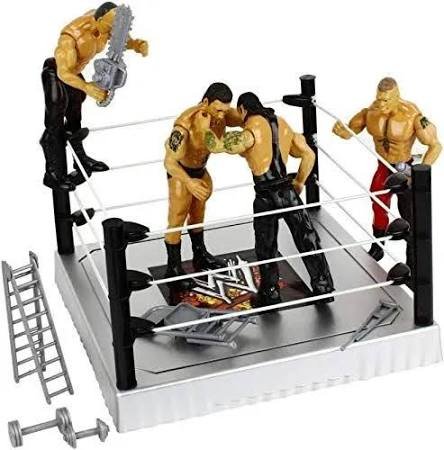
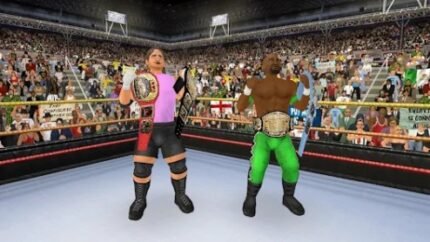
Wrestling Ring is an arcade fighting game where you face powerful opponents using strikes, grabs, throws, pins, and defensive movement. Control the centre, avoid being trapped near the ropes, and attack when your rival leaves an opening.
Wrestling Ring
Wrestling Ring puts two powerful fighters inside a limited arena where every step affects the match. You can move toward your rival, strike at close range, attempt a grab, and use the ropes or corners to control their position. Rushing forward may look aggressive, but one missed move can leave your wrestler open to a counter.
The ring creates constant pressure because there is only so far you can retreat. A player who gives up the centre can become trapped near the ropes, while a wrestler who attacks without watching their position may accidentally create an escape route for the opponent. The best matches are decided by timing, distance, and knowing when to stop pressing forward.
Players who enjoy controlled one-on-one combat can also try Wrestling, where grabs, throws, defence, and ring positioning shape each round.
What Wrestling Ring Is About
Wrestling Ring is an arcade fighting game based on close-range matches between powerful wrestlers. Your goal is to weaken the opposing fighter and complete the winning condition before your own health or position becomes too difficult to recover.
Depending on the version available on Gam-core, a match may be won by:
- Reducing the opponent’s health
- Keeping the opponent down for a pin
- Throwing or pushing the rival out of the ring
- Winning a set number of rounds
- Defeating several wrestlers in sequence
- Earning more points before the timer expires
The controls are normally simpler than those found in a full wrestling simulation. You do not need to memorise dozens of named moves before playing. Most of the challenge comes from approaching safely, recognising an opening, and using the correct action while the opponent is vulnerable.
How Wrestling Ring Gameplay Feels
The opening seconds are often the calmest part of the match. Both wrestlers have full health, open movement space, and enough time to study one another.
That changes as soon as the first exchange begins. A quick strike may interrupt an approaching opponent, while a successful grab can change both fighters’ positions. One character may be pushed toward the ropes, giving the other wrestler control of the centre.
Movement can feel heavier than in a platform or running game. Wrestlers need time to turn, complete an attack, and return to a defensive position. Pressing several controls at once may produce movement, but it rarely produces a controlled plan.
The most satisfying moments come after reading the opponent correctly. You may step away from a missed attack, move back into range, land a short combination, and return to the centre before they recover.
For another direct arena challenge, play Fighter Clash, where spacing and controlled attacks decide fast rounds.
Wrestling Ring Controls
The exact controls can differ between browser versions, so check the instruction screen before beginning your first match.
A typical keyboard setup may include:
- Arrow Keys or W, A, S, D: Move your wrestler
- Attack key: Perform a basic punch or strike
- Grab key: Begin a grapple at close range
- Action key: Throw, slam, or pin when available
- Block key: Defend against an incoming attack
- Jump key: Perform a jump or aerial action in supported versions
- Pause key: Open the game menu
A local two-player mode may divide the keyboard between two control sets.
Mobile editions may use touchscreen buttons for movement, striking, grabbing, and defence. Controls can feel crowded on a smaller display, so test each button before entering a serious match.
Control the Centre of the Ring
The centre is usually the safest part of the wrestling ring because it gives you more directions to move.
Standing near the ropes removes space behind your wrestler. When the opponent moves forward, your choices become limited to blocking, attacking, or trying to move around them.
After escaping an exchange, try to return toward the middle rather than remaining near the edge. This does not mean standing still in the centre. Keep adjusting your position so the opponent cannot approach from an easy angle.
Controlling the middle also allows you to pressure the other wrestler toward the ropes. They may begin attacking carelessly because they feel trapped, creating a useful opening for a block or counter.
Learn the Difference Between Strikes and Grabs
Strikes and grabs normally work at different distances.
A basic strike may connect when there is a small gap between both wrestlers. It can interrupt movement and help you test how the opponent responds.
A grab usually requires much closer positioning. Attempting it too early causes your wrestler to reach into empty space, giving the rival enough time to attack.
Use strikes to create a safer grappling opportunity. A quick hit may briefly stop the opponent, allowing you to step closer before attempting a throw or slam.
Do not depend entirely on grabs. Once the opponent recognises that pattern, they may attack whenever you move into close range.
Players who enjoy controlled punches and defensive movement can also enter the ring in Boxing.
How to Win More Wrestling Ring Matches
Watch the Opponent First
Do not begin every match with an immediate attack.
Move slightly closer and see whether the rival strikes, blocks, retreats, or attempts a grab. Their reaction gives you useful information for the next exchange.
Keep Combinations Short
Two accurate attacks are often safer than a long sequence.
Stop when the opponent moves away or begins defending. Continuing against empty space leaves your wrestler unable to respond.
Grab After a Missed Attack
A missed heavy move may leave the opponent exposed for a brief moment.
Move into grappling range during that recovery rather than attempting a grab while they are fully prepared.
Avoid Backing Into the Ropes
Retreating can make an attack miss, but moving backward repeatedly gives up control of the ring.
Change direction before reaching the edge and return toward open space.
Save Strong Moves for Clear Openings
Powerful slams or special attacks often have longer animations.
Use them when the opponent is already stunned, unbalanced, or recovering from a failed action.
Why Defence Matters
Blocking is useful when you cannot move out of the way, but holding the defensive control throughout the match is rarely enough.
An opponent may wait until your guard ends, move into grappling range, or push you closer to the ropes. Defence should create a safer next action rather than becoming your only action.
Watch the rival’s animation. A raised arm, forward step, or body turn can show that an attack is beginning. Blocking at the correct moment protects you without giving up control for too long.
After defending successfully, check whether the opponent’s sequence has finished. Some attacks may contain more than one hit. Responding after the first movement can cause you to lower your guard too early.
Movement can also provide defence. A small step backward may cause the attack to miss completely while keeping you close enough to counter.
Pins, Knockdowns, and Ring Outs
Different Wrestling Ring versions may use different victory systems.
In a pin-based match, knocking the opponent down does not automatically end the round. You may need to move into the correct position and use a separate action before they recover.
Attempting a pin too early can waste the knockdown. A lightly damaged wrestler may escape quickly and return to the fight with a better position.
In a ring-out match, position becomes more important than health. An opponent near the edge may be defeated through a well-timed push or throw even when they still have plenty of strength.
Health-based matches are more direct. The round ends when one wrestler’s bar is depleted, so accurate attacks and careful defence remain the main priorities.
Identify the winning condition before committing to a strategy. A player focused only on damage may miss an easier opportunity near the ropes.
Common Mistakes New Players Make
The most common mistake is pressing the attack button continuously. This can work against an easy opponent, but stronger rivals punish missed or repeated actions.
Another mistake is grabbing from too far away. A grapple only works at close range, and the failed attempt creates an obvious opening.
Players also spend too much time near the ropes. They may not notice the danger until the opponent blocks the only clear escape route.
Repeated jumping can create problems when aerial actions are available. Leaving the ground may avoid one strike, but the landing becomes easier to predict.
Some players try to pin after every knockdown. A pin is more likely to work after enough damage has been caused.
The final mistake is becoming impatient when the opponent has little health. Rushing forward for the final hit can turn a nearly won match into a sudden loss.
Facing Different Wrestlers
Each opponent may have a slightly different style.
An aggressive wrestler may move forward constantly and create frequent counterattacking chances. Make them miss rather than trying to match every attack.
A defensive opponent may wait near the centre and block your first move. Use quick strikes, pauses, and movement to encourage a reaction.
A grab-focused rival becomes dangerous at close range. Remain near the edge of your striking distance and avoid standing directly beside them without a plan.
Later wrestlers may recover faster, cause more damage, or change tactics during the match. A strategy that defeats the first opponent may not work throughout the entire game.
Use the opening seconds of every round to study the new fighter instead of assuming they behave like the previous one.
Local Two-Player Matches
When a two-player mode is available, Wrestling Ring becomes less predictable because a human opponent can recognise and change their habits.
A friend may pretend to retreat before suddenly attempting a grab. They may also notice that you always attack after blocking or always move in the same direction near the ropes.
Check both control layouts before beginning. Shared keyboard play becomes difficult when players accidentally use overlapping keys.
Human matches reward changing rhythm. Mix quick attacks, movement, defensive pauses, and carefully timed grabs so your approach does not become easy to read.
Short rounds make rematches simple. Both players can adjust immediately without repeating a long level.
For unpredictable physics-based battles, try Ragdoll Hit.
Wrestling Games and Real-World Safety
Wrestling Ring presents exaggerated, fictional combat for entertainment. Its moves and animations are not instructions for practising wrestling techniques.
Real amateur wrestling is a regulated sport with coaching, scoring rules, weight classes, medical requirements, and supervised training. United World Wrestling provides official information about international wrestling competitions and regulations.
Professional wrestling also relies on trained performers, planned cooperation, suitable equipment, and strict safety procedures. Moves shown in games or entertainment should never be copied at home, at school, or without qualified supervision.
Parents can use the ESRB ratings guide and PEGI content labels to understand how fighting and violence are classified in video games.
What Makes Wrestling Ring Worth Playing
Wrestling Ring creates a focused contest from a manageable collection of moves. Players can understand the objective quickly, but better timing and positioning still make a clear difference.
The limited arena gives every movement a consequence. Stepping backward may avoid one attack but move your wrestler closer to the ropes. Moving forward creates pressure but can also bring you into grabbing range.
Short matches make improvement easy to test. After losing, you can restart and immediately change the action that caused the problem.
The game may feel basic for players seeking a detailed career mode, large character roster, or realistic sports simulation. Its main appeal comes from immediate ring battles rather than long-term management.
Players who enjoy simple controls, quick rematches, and close competition are more likely to appreciate its direct design.
Browse the fighting games collection for more one-on-one combat challenges.
Who Will Enjoy Wrestling Ring?
Wrestling Ring suits players who enjoy arcade fighting games, wrestling themes, quick matches, grabs, throws, and local competition.
Beginners can start with movement, basic attacks, and defence. They do not need to memorise every possible action during the first match.
More experienced players can focus on controlling the centre, reading recovery animations, creating safe grapples, and changing their attack rhythm.
The game also works well for short browser sessions because a match can begin quickly and failed rounds are easy to replay.
Players looking for a realistic wrestling simulator may find the system limited. Those who want accessible ring action with a clear learning curve are more likely to enjoy it.
Play Wrestling Ring Free Online
Play Wrestling Ring free online on Gam-core.com and enter fast ring matches based on movement, strikes, grabs, throws, and carefully timed defence.
Stay away from the ropes when pressure builds, avoid reaching for grabs from the wrong distance, and watch how the opponent responds before committing to your next move. The wrestler who controls the space inside the ring usually controls the match.


Reviews
There are no reviews yet.