
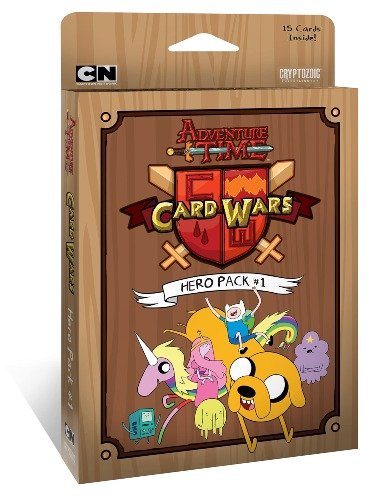


Card wars
Card Wars is a turn-based Adventure Time card game where players build decks, choose landscapes, summon creatures, place buildings, cast spells, and activate strange Floop abilities. Control four battlefield lanes and reduce the opposing hero’s health before your own defenses fall.
Card Wars Adventure Time Strategy Card Battle Game
Card Wars is a turn-based strategy game inspired by the wonderfully strange card game seen in Adventure Time. You build a deck, place creatures across four battlefield lanes, use spells and buildings, and try to reduce your opponent’s health before your own hero is defeated.
The colorful characters make the game look playful, but the battles require real planning. Every card costs resources, landscapes affect which creatures can enter a lane, and one poorly timed attack can leave your side open during the opponent’s next turn.
What Is Card Wars?
Card Wars, also known as Card Wars Adventure Time, is a collectible card battle game developed by Kung Fu Factory and published by Cartoon Network. It originally arrived on Android and iOS in 2014.
The game expands the fictional tabletop match played by Finn and Jake in the Adventure Time episode “Card Wars.” Instead of watching the characters argue over strange rules, players can collect cards and build their own decks.
A match takes place across four lanes. Each side has landscapes, creatures, buildings, spells, and a hero with a health total. The goal is to clear enough lanes for your creatures to damage the opposing hero directly.
Players who enjoy deploying cards during short tactical battles may also like Clash Royale, although Card Wars uses turns and fixed lanes rather than real-time troop movement.
How Card Wars Gameplay Works
Each player begins with a hero, a deck, and four landscape spaces. The landscapes determine which types of creatures and buildings can be played in each lane.
During your turn, you draw cards, spend available resources, place units, activate abilities, and decide which creatures should attack. When your turn ends, the opponent gets a chance to respond.
Creatures usually face whatever is placed in the opposite lane. When no enemy creature is blocking that lane, your attack can reach the opposing hero.
The core battle rhythm looks like this:
- Draw a card from your deck.
- Check your available resources.
- Place creatures in suitable landscape lanes.
- Add buildings or use spells when needed.
- Activate useful abilities.
- Attack opposing creatures or the enemy hero.
- Prepare your lanes for the next turn.
Card Wars becomes more interesting when several effects interact. A building may strengthen one type of creature, while a spell removes a defender and opens a direct attack route.
Understanding the Four Battlefield Lanes
The board is divided into four separate lanes. Each lane contains one landscape from your side and one from your opponent’s side.
A creature placed in the first lane normally deals with the creature directly opposite it. It does not freely move across the entire battlefield.
This fixed structure makes placement important. A powerful creature may be wasted when it stands opposite a weak enemy that was already under control.
Empty lanes are dangerous because an opposing creature can attack your hero directly. At the same time, leaving one lane open temporarily may allow you to build a stronger position elsewhere.
The four-lane system gives Card Wars a more focused battlefield than many open card games. Creatures, buildings, and landscapes remain connected to specific positions throughout the match.
Landscapes and Card Types
Landscapes form the base of your deck strategy. Different creatures belong to different landscape groups, and many cards work best when placed on their matching terrain.
Common landscape styles include unusual areas such as Blue Plains, Cornfields, SandyLands, Useless Swamps, and NiceLands.
A deck built around one landscape is usually easier to control because most cards can be placed without complicated requirements. Mixed decks can create stronger combinations, but they also require more careful landscape selection.
Before starting a battle, check whether your chosen landscapes support the cards in your deck. A strong creature is not useful when no suitable lane allows you to play it.
Landscape effects can also influence abilities, damage, healing, and card combinations. This makes the battlefield part of the deck rather than a simple background.
Creatures in Card Wars
Creatures are the main attackers and defenders. They occupy lanes, fight opposing creatures, and damage the enemy hero when their path is clear.
Each creature has its own health, attack value, cost, landscape requirement, and possible special ability.
Low-cost creatures are useful during the early turns because they protect empty lanes without using all your resources. Stronger creatures can control a lane later, but placing them too early may leave the rest of the board unprotected.
Some creatures are designed for direct damage. Others become useful through healing, card drawing, extra resources, or effects that weaken an enemy.
Do not judge a creature only by its attack number. A weaker card with a useful ability can improve the entire deck more than one expensive attacker.
Buildings and Support Cards
Buildings are placed behind creatures and provide ongoing benefits to their lane or nearby cards.
A building might improve attack strength, restore health, create resources, or activate an effect when a certain action occurs.
Because buildings do not normally protect a lane by themselves, placing one in an empty position can be risky. An enemy creature may continue attacking your hero while the building provides little immediate help.
Use buildings where a creature can protect them long enough to generate value. A building that works for several turns may become more important than a one-time spell.
Some deck strategies depend heavily on buildings. Others use only one or two support cards and focus on aggressive creature placement.
Spells and Immediate Effects
Spells create one-time effects. They can damage enemies, heal allies, change statistics, draw cards, or interrupt an opponent’s plan.
Unlike creatures and buildings, spells usually complete their action immediately and then leave play.
A good spell can solve a difficult problem without requiring another permanent card on the board. It may remove a nearly defeated creature, protect your strongest lane, or create enough damage to finish the match.
However, spells can also become dead cards when used at the wrong time. Spending an important removal spell on a weak creature may leave no answer for a stronger threat later.
Try to understand what problem each spell is meant to solve. Keep powerful effects until they create a clear advantage.
What Does Flooping Mean?
Flooping is one of the signature ideas in Card Wars. Certain creatures and buildings have a Floop ability that can be activated for a special effect.
A Floop ability may deal damage, restore health, produce resources, strengthen another card, or change the battlefield in some other way.
Using the ability usually exhausts or temporarily turns the card, meaning it cannot be used normally in the same way until it becomes ready again.
The important decision is whether the Floop effect is more valuable than the card’s normal action. Activating an ability too quickly may prevent a useful attack.
Read every Floop description before using it. Some effects become much stronger when combined with a particular landscape, creature type, or building.
Choosing an Adventure Time Hero
Card Wars features familiar characters from the Land of Ooo. Depending on the version and your progress, available heroes may include Finn, Jake, Princess Bubblegum, Marceline, BMO, Flame Princess, and other characters.
Each hero can support a different style of deck. Some may favor direct attacks, while others work better with healing, defensive play, or a particular landscape group.
Do not choose a hero only because the character is your favorite. Check how the hero ability works with the cards you currently own.
A simple hero and focused deck are usually better for beginners than a complicated combination that depends on several rare cards.
As your collection grows, you can create different decks around multiple heroes instead of forcing every card into one setup.
Building a Balanced Card Wars Deck
A useful deck needs cards for both the early and later parts of a battle.
Filling the deck with powerful high-cost creatures may look impressive, but you could spend several turns unable to place anything. A deck made only from cheap cards may start quickly and then struggle against stronger enemies.
Try to include:
- Affordable creatures for the opening turns
- Stronger creatures for later pressure
- One or more ways to remove enemy threats
- Support cards that match your landscapes
- Abilities that produce cards or resources
- A reliable answer for heavily defended lanes
Card balance matters more than collecting the highest number of rare cards.
A common mistake is adding every newly unlocked card without checking whether it supports the main strategy. Replace a card only when the new option performs a clearer role.
Players who enjoy building hands and planning card combinations can also try Rummy Offline Board, which uses traditional card sets rather than fantasy creatures.
Card Rarity and Upgrades
Collectible cards can have different rarity levels. Rarer cards may offer unusual abilities or stronger combinations, but rarity alone does not guarantee that a card belongs in every deck.
Cards can also be improved when the game version provides the required materials or duplicate copies. Upgrades generally make a card stronger, allowing it to survive longer or create more damage.
Upgrade cards you use regularly rather than spending resources across the entire collection.
A well-upgraded common creature can be more useful than a rare card that does not match your landscapes or hero.
Before investing, test the card in several battles. Check whether it appears at the right time, fits the resource curve, and supports the rest of the deck.
The Adventure Campaign
Card Wars includes a single-player campaign where players travel through themed areas and battle characters from Adventure Time.
Campaign battles gradually introduce stronger opponents, new card effects, and more difficult deck combinations.
Winning can provide cards, resources, experience, or progress toward later stages. Some battles may include special rules that require adjustments to your normal deck.
Do not expect one deck to handle every challenge perfectly. A stage filled with defensive creatures may require more removal spells, while an aggressive opponent may force you to add cheaper defenders.
Campaign progress also gives players a reason to test cards that might not be part of their main setup.
Resource Management During Battles
Every card has a cost, so you cannot place everything from your hand in one turn.
Strong resource management means using enough cards to remain safe without emptying your hand unnecessarily.
When your current lanes are already protected, saving resources may be better than placing another weak creature. The saved amount can support a stronger combination during the next turn.
However, saving too much can allow the opponent to build an advantage. An empty lane gives enemy creatures a direct route to your hero.
Think about the current board and the next likely threat. Spend resources where they change the battle rather than simply because a card is available.
Attacking and Defending Lanes
A creature’s position determines what it can attack and what can attack it.
When both sides have creatures in the same lane, they must usually deal with one another before direct hero damage becomes possible.
Removing a defender creates an open route. You can use a spell, a Floop ability, or a stronger creature to clear that lane.
Defense is equally important. Leaving one lane empty may allow repeated hero damage that becomes difficult to recover.
Do not spread weak creatures across every lane when the opponent has enough damage to remove them easily. Sometimes two strong lanes and one temporary blocker create a safer position.
The strongest move often depends on where the opponent has already invested cards.
Reading the Opponent’s Board
Card Wars rewards players who inspect the entire battlefield before acting.
Check the health and attack value of every opposing creature. A low-health target may be removed with a small spell, allowing your stronger attack to reach the hero.
Also read building and Floop abilities. An ordinary-looking creature may become dangerous when a nearby support card activates.
Consider which lanes the opponent is likely to strengthen next. When one landscape clearly supports several cards in their deck, that lane may become the center of their strategy.
Planning one turn ahead is useful, but predicting every possible card is not necessary. Focus on the strongest visible threat and maintain enough flexibility to respond.
Main Card Wars Features
- Four-lane card battles: Creatures and buildings are placed in fixed battlefield positions.
- Adventure Time characters: Familiar heroes and opponents bring the humor and visual style of the animated series.
- Collectible cards: Players can build decks from creatures, spells, buildings, and support effects.
- Landscape-based strategy: Card placement depends on the terrain selected for each lane.
- Floop abilities: Special card actions create unusual combinations and tactical choices.
- Single-player campaign: The adventure includes themed opponents and gradually changing challenges.
- Deck customization: Players can adjust cards, landscapes, and heroes before battles.
- Card improvement: Supported versions allow cards to become stronger through upgrades.
- Turn-based play: Players have time to inspect lanes and choose actions without real-time pressure.
- Colorful presentation: The game recreates the odd creatures, locations, and humor associated with Adventure Time.
Card Wars Controls
The original mobile version uses touchscreen controls.
| Action | Control |
|---|---|
| Select a card | Tap the card |
| Place a creature or building | Drag or tap it onto a valid lane |
| Use a spell | Select the spell and choose its target |
| Activate a Floop ability | Tap the card and select Floop |
| Attack | Select the ready creature or attack option |
| Inspect a card | Press or tap the information area |
| End the turn | Tap the end-turn button |
| Edit a deck | Open the deck menu and move cards |
Controls may differ in browser adaptations or other versions. Follow the instructions displayed beside the game when playing with a mouse.
Graphics and Sound
Card Wars uses colorful cartoon visuals based on Adventure Time. Heroes, creatures, landscapes, and attacks retain the unusual shapes and humor associated with the show.
The four lanes are clearly separated, making it easy to see which creatures are facing each other.
Card animations provide feedback when attacks, spells, and Floop abilities activate. Powerful effects feel lively without making the board impossible to follow.
Sound effects and character voices add personality to battles. The game remains understandable without audio because health, attack values, and card positions are visible.
Difficulty and Learning Curve
The main rules can feel unusual during the first few matches. Landscapes, lanes, resources, buildings, spells, and Floop abilities are introduced on top of normal card combat.
Once those systems become familiar, turns are easier to read. Most decisions come down to card cost, lane control, and timing.
Early campaign battles allow new players to understand basic placement. Later opponents use stronger combinations and punish decks with poor balance.
The game is friendly enough for casual Adventure Time fans, but building an efficient deck requires patience.
Players who prefer a traditional board where every piece follows fixed movement rules may enjoy Master Chess as a different kind of turn-based challenge.
Tips for Playing Card Wars
Protect Every Open Lane
An empty lane can give the opponent direct access to your hero. Use an affordable creature when you cannot afford a stronger defender.
Match Cards With Landscapes
Check landscape requirements before adding a card to your deck. A powerful creature is useless when no lane supports it.
Keep a Balanced Cost Curve
Include both affordable and expensive cards. This helps you play something useful during every stage of the battle.
Read Floop Abilities Carefully
Do not activate every ability immediately. Sometimes a normal creature attack creates more value than its Floop effect.
Remove Support Buildings
A building may continue improving enemy creatures for several turns. Destroying or controlling that lane can prevent a larger problem.
Save Important Spells
Use removal and damage spells when they clear a lane, protect your hero, or stop a dangerous combination.
Upgrade Cards You Actually Use
Avoid spending materials on every new card. Focus on the creatures and support effects that appear in your strongest decks.
Watch Hero Health
Winning one lane does not matter when another lane is dealing repeated direct damage. Check the full board before committing to an attack.
Change Decks After Difficult Battles
When an opponent repeatedly defeats you, identify the exact problem. Add cheaper defenders, more removal, or cards suited to the enemy landscapes.
Common Card Wars Mistakes
Choosing Cards Only by Rarity
Rare cards can be powerful, but they still need suitable landscapes and supporting cards.
Filling the Deck With Expensive Creatures
A hand full of high-cost cards can leave every lane empty during the opening turns.
Forgetting Defensive Lanes
Players often focus on one strong attack and ignore an opponent building pressure elsewhere.
Flooping Before Attacking
Activating an ability may make a creature unavailable for another action. Check whether attacking first would be more useful.
Using Spells on Weak Targets
Save major effects for creatures or combinations that could change the result of the battle.
Ignoring Buildings
Support buildings can quietly produce a large advantage. Read their effects instead of watching only creature attack values.
Upgrading Too Many Cards
Spreading resources across the whole collection can leave your main deck weaker than it should be.
Who Should Play Card Wars?
Card Wars is a good choice for Adventure Time fans who enjoy deck building, turn-based battles, unusual creatures, and lighthearted fantasy settings.
It also suits card game beginners because the fixed lanes make combat easier to follow than a large open battlefield.
More experienced strategy players can experiment with mixed landscapes, Floop combinations, building effects, and carefully balanced decks.
Players looking for real-time action may find the turn structure slow. Those who do not enjoy collecting or upgrading cards may also prefer a board game with a fixed set of pieces.
The original mobile release is no longer widely available through normal official storefronts, so availability depends on the version offered by the platform being used. Players should avoid unofficial downloads and use only legitimate, trusted versions.
More card, board, and strategy titles can be found in the Gam-core games collection.
Honest Strengths and Limitations
| Strengths | Possible Limitations |
|---|---|
| Distinctive four-lane battle system | Rules may feel confusing during early matches |
| Familiar Adventure Time characters | Original official mobile availability is limited |
| Many creatures, spells, and buildings | Deck improvement can require repeated battles |
| Landscapes add another strategic layer | Some cards fit only certain landscape setups |
| Floop abilities create unusual combinations | A weak opening hand can be difficult to recover from |
| Turn-based play allows careful decisions | Players wanting real-time action may find it slow |
| Campaign encourages deck experimentation | Card upgrades can consume many resources |
| Colorful visuals suit the source material | Some effects require careful reading |
Card Wars Game Information
| Detail | Information |
|---|---|
| Full title | Card Wars Adventure Time |
| Developer | Kung Fu Factory |
| Publisher | Cartoon Network |
| Original release | 2014 |
| Genre | Collectible card game and strategy |
| Original platforms | Android and iOS |
| Game mode | Single-player |
| Battlefield | Four lanes |
| Card types | Creatures, spells, and buildings |
| Main systems | Landscapes, resources, Floop abilities, and deck upgrades |
| Controls | Touchscreen or mouse depending on version |
Frequently Asked Questions
What type of game is Card Wars?
Card Wars is a turn-based collectible card strategy game based on Adventure Time. Players build decks and fight across four battlefield lanes.
What is the objective in Card Wars?
The main objective is to clear lanes, attack the opposing hero, and reduce its health before your own hero is defeated.
What are landscapes?
Landscapes are the terrain cards beneath each lane. They determine which creatures and buildings can be played and may affect card abilities.
What does Floop mean?
Flooping activates a special ability printed on a creature or building. The card usually becomes exhausted after the ability is used.
How many lanes are in a Card Wars battle?
Each battlefield contains four lanes. Creatures normally fight the opponent placed directly across from them.
Can I build my own deck?
Yes. Card Wars allows players to choose creatures, buildings, spells, landscapes, and a hero for their deck.
Is Card Wars multiplayer?
The original Card Wars mobile game focused mainly on a single-player campaign. Card Wars Kingdom used additional multiplayer-related systems, but it is a separate title.
Who developed Card Wars?
Card Wars was developed by Kung Fu Factory and published by Cartoon Network.
Can I still download the original Card Wars?
The original app is no longer broadly distributed through normal official mobile stores. Availability may vary, and players should avoid unofficial or modified downloads.
Is Card Wars suitable for beginners?
Yes, although landscapes and Floop abilities may take a few matches to understand. Starting with one main landscape type can make deck building easier.



Reviews
There are no reviews yet.